
If you’re planning to install a shed, one of the most important decisions you’ll make is what it sits on. Many homeowners focus on shed size, design, or storage space first, but the shed foundation is what determines how stable and long-lasting your structure will be.
A poor base can lead to drainage issues, shifting floors, rotting wood, or doors that no longer close properly. On the other hand, the right shed base improves stability, protects the structure from moisture, and helps your shed last for years.
Let’s compare shed foundation options, including gravel, concrete, and blocks, so you can choose the best base for your property and shed installation.
Why the Right Shed Foundation Matters
Your shed foundation does more than hold the structure in place. It plays a key role in drainage, structural stability, and long-term durability.
When the base is properly prepared, it helps prevent:
- Water pooling around the shed
- Wood rot and moisture damage
- Uneven floors and shifting walls
- Premature structural wear
Good shed site preparation also ensures the ground is level and stable before installation. Soil conditions, yard slope, and drainage patterns all influence which foundation for a storage shed will perform best on your property.
Choosing the right base from the start saves money, reduces maintenance, and helps your shed stay functional for many years.
Gravel Shed Foundation: Pros, Cons, and Best Uses
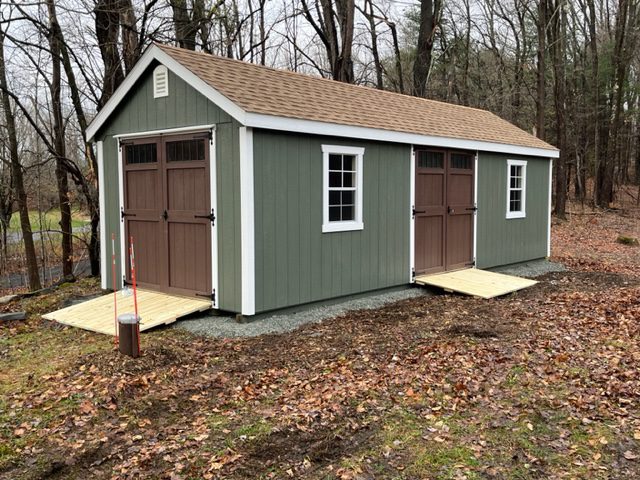
If you want a shed base that balances affordability, drainage, and long-term performance, a gravel shed foundation is often one of the most practical options for homeowners. This type of shed base uses a compacted layer of crushed stone within a framed border, creating a stable surface that allows water to drain through the base rather than pool beneath the structure.
Best for:
- Small to medium sheds
- Areas where drainage is important
- Homeowners looking for a cost-effective solution
Pros
- Excellent drainage
- Lower cost compared to concrete
- Easier installation and site preparation
- Reduces moisture buildup under the shed
Cons
- Not ideal for very heavy sheds or workshop structures
- Requires proper compaction to maintain stability
For many properties, gravel offers the best balance of shed stability and drainage, especially when installed correctly with proper base depth and leveling.
Concrete Shed Foundation: Pros, Cons, and Best Uses
When long-term strength and permanence are your top priorities, a concrete shed foundation is often the strongest option for a storage structure. This type of foundation typically uses a poured concrete slab to create a level, durable surface that can support heavier buildings. It is often the right choice when your shed will be used as a workshop, hobby space, or long-term outbuilding.
Best for:
- Large sheds or workshops
- Heavy equipment storage
- Permanent structures
Pros
- Extremely durable and long-lasting
- Strong support for larger buildings
- Very stable surface
Cons
- Higher installation cost
- Requires professional installation
- Drainage must be planned carefully
While concrete is one of the most durable shed foundation options, it may be more than necessary for smaller backyard sheds. The right choice often depends on shed size and how you plan to use the space.
Shed Foundation Blocks: Pros, Cons, and Best Uses
If you want a simpler and more budget-friendly shed base, shed foundation blocks can be a practical option. This setup uses precast concrete blocks to support the shed floor frame instead of a continuous base. Raising the structure slightly above ground level allows airflow beneath the shed and helps reduce moisture buildup.
Best for:
- Smaller sheds
- Temporary or budget-friendly installations
- Level ground conditions
Pros
- Lower upfront cost
- Faster installation
- Allows airflow under the shed
Cons
- Less stability on soft or uneven soil
- Can shift if the ground settles
- Limited support for heavier sheds
While shed foundation blocks can work well in certain situations, proper ground leveling is essential to prevent shifting over time.
Which Shed Base Is Best for Your Property?
The best base for a shed depends on several factors, including your yard and how you plan to use it. Here are a few things to consider before choosing a foundation.
1. Drainage
If your yard tends to collect water or stay damp after rain, a gravel shed foundation often performs best because it allows water to drain through the base.
2. Soil and Ground Stability
Soft or shifting soil may require additional preparation or a more stable foundation option to prevent movement.
3. Yard Slope
Sloped yards require careful shed installation prep to ensure the foundation remains level and properly supported.
4. Shed Size and Purpose
Larger sheds or workshop spaces typically benefit from a stronger foundation, such as concrete. Smaller storage sheds often perform well with gravel bases.
Because every property is different, professional site preparation and foundation recommendations can significantly impact long-term shed performance.
Ready to Choose Your Shed Foundation?
Choosing the wrong base can lead to drainage problems, shifting, and costly repairs over time. The right shed foundation options provide your shed with greater stability, improved drainage, and stronger long-term performance.
Backyard Sheds can help you choose the best shed base for your property so your installation starts right and your shed stays level, protected, and built to last. Contact us today to get expert guidance and choose the right foundation for your shed.